

What is Bitcoin?
The Future of Money?
In short
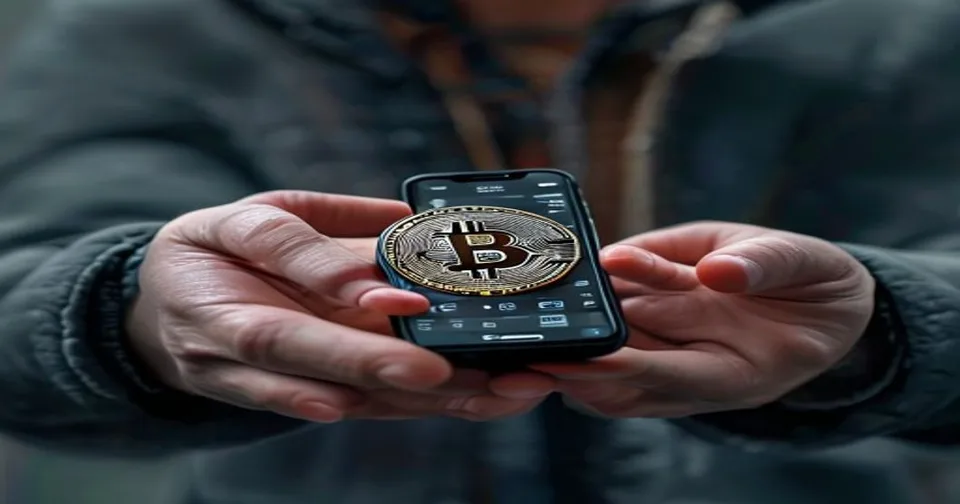
Bitcoin is a decentralized digital currency that allows for peer-to-peer transactions without the need for intermediaries like banks. Learn more about how it works, its benefits, and its potential impact.
Cite this page: https://www.whatiswiki.com/what-is-bitcoin
Introduction
Bitcoin is a decentralized digital currency that allows for peer-to-peer transactions without the need for intermediaries like banks.
It was created in 2009 by an anonymous individual or group using the pseudonym Satoshi Nakamoto.
Background and Origin
Bitcoin was created as a response to the 2008 financial crisis and the perceived instability of traditional fiat currencies.
The idea of a decentralized digital currency was first proposed by Wei Dai in 1998, but it wasn't until the release of Bitcoin's whitepaper in 2008 that the concept gained traction.
How it Works
Key Components
- The blockchain: a decentralized ledger that records all Bitcoin transactions.
- Miners: individuals or groups that verify transactions and add them to the blockchain.
- Wallets: software programs that allow users to store, send, and receive Bitcoin.
In practice, Bitcoin transactions work as follows:
- A user initiates a transaction by sending Bitcoin to a recipient's wallet address.
- The transaction is broadcast to the network and verified by miners.
- Once verified, the transaction is added to the blockchain and the recipient's wallet is updated.
Why it Matters
Bitcoin has the potential to disrupt traditional financial systems and provide a more secure and efficient way of conducting transactions.
It has already gained popularity as a store of value and a medium of exchange, with a market capitalization of over $1 trillion.
However, its use is still limited by its volatility and the lack of regulation.
For example, in 2017, the price of Bitcoin surged to over $19,000, only to drop to around $3,000 in 2018.
Common Misconceptions
One common misconception about Bitcoin is that it is a Ponzi scheme.
However, Bitcoin is a decentralized digital currency that operates on a peer-to-peer network, without the need for intermediaries like banks.
Another misconception is that Bitcoin is anonymous.
While Bitcoin transactions are pseudonymous, meaning that users are not required to reveal their identities, they can be traced back to their IP addresses.
Key takeaways
- Bitcoin is a decentralized digital currency that allows for peer-to-peer transactions without the need for intermediaries like banks.
- Bitcoin works through a decentralized ledger called the blockchain, which records all transactions. Miners verify transactions and add them
- Bitcoin is considered to be a secure form of currency, as it operates on a decentralized network and uses advanced cryptography to secure tr
Frequently asked questions
What is Bitcoin?
Bitcoin is a decentralized digital currency that allows for peer-to-peer transactions without the need for intermediaries like banks.
How does Bitcoin work?
Bitcoin works through a decentralized ledger called the blockchain, which records all transactions. Miners verify transactions and add them to the blockchain, while users store, send, and receive Bitcoin using software programs called wallets.
Is Bitcoin secure?
Bitcoin is considered to be a secure form of currency, as it operates on a decentralized network and uses advanced cryptography to secure transactions.
Conclusion
Bitcoin is a decentralized digital currency that allows for peer-to-peer transactions without the need for intermediaries like banks.
References
- Bitcoin Whitepaper
- CoinDesk
Was this article helpful?
No login required. One response per visitor.