

Sawan Culture 2026: Hariyali Teej (15 Aug), Mehendi & Songs
Celebrate the Monsoon with Mehendi and Melodies
In short
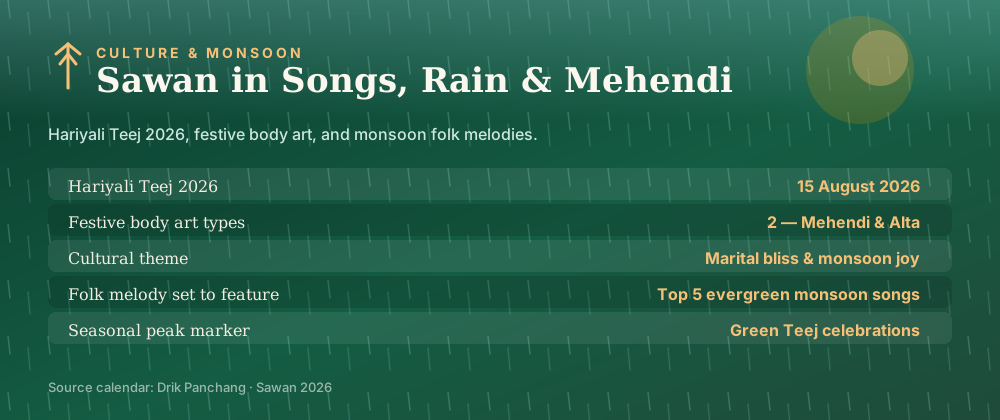
Sawan culture peak: Hariyali Teej on 15 August 2026, Mehendi and Alta body art, plus top evergreen monsoon folk melodies that capture the rainy season.
Cite this page: https://www.whatiswiki.com/sawan-culture-hariyali-teej-mehendi
Introduction
The Sawan culture, deeply embedded in Indian traditions, celebrates the arrival of the monsoon with vibrant festivals and artistic expressions. This season is a time of renewal, joy, and communal gatherings. As the rains nourish the earth, people come together to honor their heritage through various cultural practices, particularly during the festival of Hariyali Teej.
In essence, Sawan is not just a season; it is a celebration of life, love, and the beauty of nature. The monsoon brings a refreshing change, and with it, a wave of festivities that are cherished across the country.
Hariyali Teej on 15 August 2026
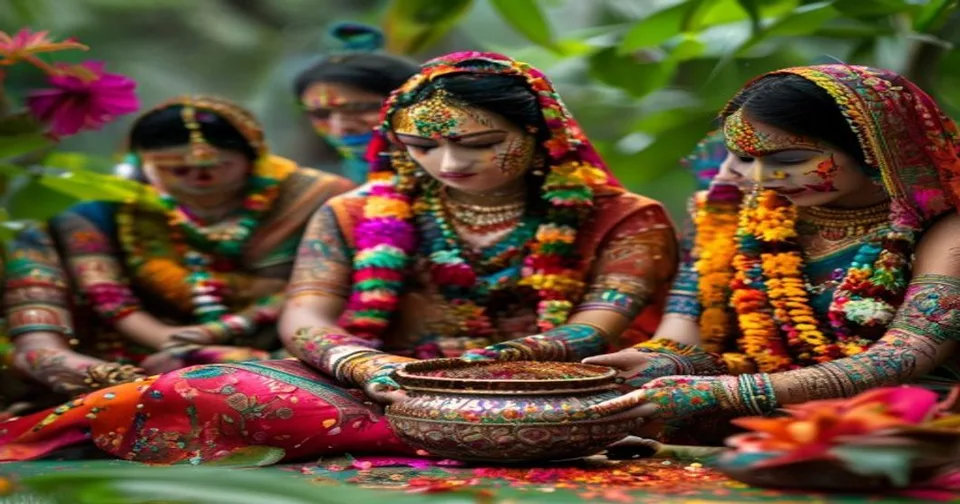
Hariyali Teej, falling on 15 August 2026, is one of the major festivals celebrated during the Sawan season. This festival is particularly significant for married women who pray for the well-being of their husbands and the prosperity of their families. The day is marked by vibrant attire, singing, dancing, and the application of Mehendi and Alta on their hands and feet.
As you prepare for this joyous occasion, remember that the essence of Hariyali Teej lies in the spirit of togetherness and celebration.
Mehendi and Alta: The Body Art of Celebration
During the Sawan season, two types of festive body art take center stage: Mehendi and Alta. Mehendi, made from the leaves of the henna plant, is intricately applied to create beautiful designs that symbolize love and joy. Alta, on the other hand, is a red dye used primarily by brides and women during festivals, adding a touch of elegance to their hands and feet.
| Body Art | Description |
|---|---|
| Mehendi | Intricate designs made from henna, symbolizing love and joy. |
| Alta | Red dye applied for festive occasions, enhancing beauty and tradition. |
These forms of body art are not merely decorative; they are steeped in cultural significance and are a way for women to express their creativity and celebrate their femininity.
Top Monsoon Folk Songs in India
Monsoon folk songs play an integral role in the Sawan culture, capturing the essence of the rainy season and the emotions it evokes. Here are five evergreen melodies that resonate with the spirit of the monsoon:
- Rimjhim Gire Saawan - A classic Hindi song that beautifully describes the joys of the rain.
- Saawan Aayo Re - A lively folk tune celebrating the arrival of the monsoon.
- Barish Ki Jaayein - A soulful melody that reflects the longing and romance of the rainy season.
- Megh Malhar - A traditional raag that embodies the beauty of rain.
- Chhoti Si Baat - A charming song that captures the playful spirit of the monsoon.
These songs are often sung during gatherings, enhancing the festive atmosphere and connecting people to their roots.
Practical Takeaways and FAQs
As you immerse yourself in the Sawan culture, here are some practical takeaways:
- Schedule your Mehendi application a day before Hariyali Teej for the best results.
- Participate in local festivities to experience the joy of community celebrations.
- Explore the rich tapestry of monsoon folk songs to enrich your festive experience.
Key takeaways
- Hariyali Teej will be celebrated on 15 August 2026, marking a significant day in the Sawan culture.
- Mehendi is made from henna leaves and is used for intricate designs, while Alta is a red dye used for body decoration, especially during fes
- Some popular monsoon folk songs include 'Rimjhim Gire Saawan', 'Saawan Aayo Re', and 'Megh Malhar', each capturing the essence of the rainy
Frequently asked questions
What is the date of Hariyali Teej in 2026?
Hariyali Teej will be celebrated on 15 August 2026, marking a significant day in the Sawan culture.
What is the difference between Mehendi and Alta?
Mehendi is made from henna leaves and is used for intricate designs, while Alta is a red dye used for body decoration, especially during festivals.
What are some popular monsoon folk songs in India?
Some popular monsoon folk songs include 'Rimjhim Gire Saawan', 'Saawan Aayo Re', and 'Megh Malhar', each capturing the essence of the rainy season.
Conclusion
Explore the vibrant Sawan culture, focusing on Hariyali Teej, Mehendi artistry, and the enchanting monsoon melodies that define this season.
References
- Cultural Significance of Mehendi
- Monsoon Songs of India
Was this article helpful?
No login required. One response per visitor.