

Sawan Do’s and Don’ts: 5 Food Rules & Monsoon Hygiene
A Guide to Navigating the Dos and Don'ts of Sawan
In short
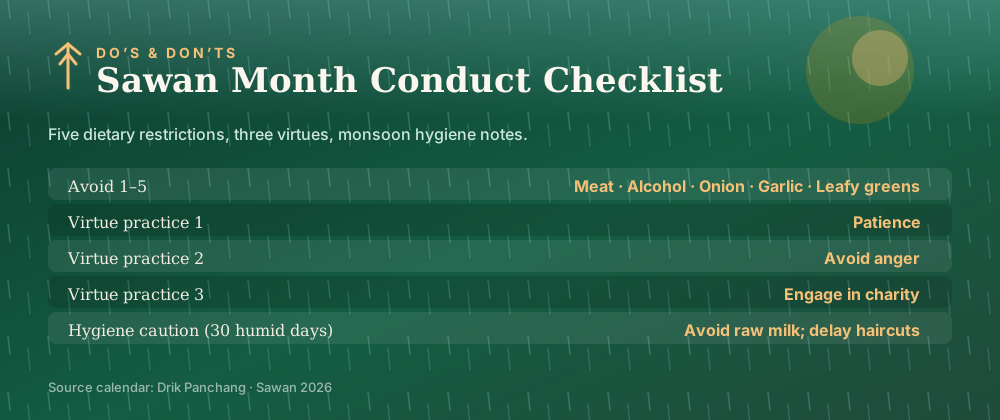
Sawan checklist: avoid meat, alcohol, onion, garlic, and leafy greens; practice patience, no anger, charity; plus monsoon hygiene notes on raw milk and haircuts

Cite this page: https://www.whatiswiki.com/sawan-dos-and-donts
Introduction
The month of Sawan is a significant period in the Hindu calendar, marked by spiritual growth, self-reflection, and devotion. As the monsoon season sets in, many devotees prepare themselves for a month of fasting, prayer, and charity. But what are the key dos and don'ts to follow during this sacred period?
For those new to the concept of Sawan, it's essential to understand the significance of this month. Sawan is the fifth month of the Hindu calendar, and it's considered a time of spiritual renewal and growth. Many devotees believe that the month of Sawan is an opportunity to cleanse their minds, bodies, and souls, and to connect with the divine.
As you embark on this spiritual journey, it's crucial to be aware of the rules and guidelines that govern this period. From food restrictions to mental practices, and hygiene guidelines, there's a lot to consider. In this article, we'll delve into the dos and don'ts of Sawan, providing you with a comprehensive guide to navigate this sacred month.
Food Restrictions During Sawan
One of the most significant aspects of Sawan is the food restrictions that devotees follow. The key restrictions include avoiding meat, alcohol, onions, garlic, and leafy greens. These restrictions are in place to promote a Sattvik diet, which is believed to be pure and wholesome.
But why are these foods restricted? The reasoning behind this is rooted in the concept of the three gunas, which are the fundamental qualities of nature. The Sattvik diet is believed to promote balance and harmony in the body, while the restricted foods are considered to be either Rajasic or Tamasic, promoting imbalance and chaos.
To make the most of the food restrictions, it's essential to plan your meals in advance. Consider preparing a weekly Sattvik grocery list before the first Somvar, which will help you stay on track and avoid any slip-ups. You can also explore various Sattvik recipes online, which will provide you with a wealth of options to choose from.
Mental Practices to Follow
While food restrictions are an essential aspect of Sawan, mental practices are equally important. The three mental practices to follow during this period are practicing patience, avoiding anger, and engaging in charity. These practices are designed to promote spiritual growth, self-reflection, and devotion.
Practicing patience is essential during Sawan, as it allows you to cultivate a sense of calm and inner peace. This can be achieved through meditation, yoga, or simply taking a few moments each day to reflect on your thoughts and emotions. Avoiding anger is also crucial, as it can disrupt your mental balance and create chaos in your life.
Engaging in charity is another vital aspect of Sawan. This can be done by donating to a worthy cause, volunteering your time, or simply helping those in need. Charity is believed to promote a sense of compassion and empathy, which are essential for spiritual growth.
Hygiene Guidelines for the Monsoon Season
As the monsoon season sets in, it's essential to follow specific hygiene guidelines to stay healthy and safe. Two key guidelines to follow during this period are avoiding raw milk and haircuts. Raw milk can spoil easily in the humid monsoon weather, which can lead to contamination and food poisoning.
Avoiding haircuts during the monsoon season is also a traditional guideline that's rooted in the concept of preserving bodily energy. In the monsoon season, the body's energy is believed to be more vulnerable, and cutting hair can disrupt this energy. While this may seem like an old wives' tale, it's essential to be mindful of your bodily energy during this period.
In addition to these guidelines, it's crucial to maintain good hygiene practices during the monsoon season. This includes washing your hands regularly, taking regular baths, and wearing clean clothes. By following these guidelines, you can stay healthy and safe during the monsoon season.
| Date | Event |
|---|---|
| July 30th, 2026 | Beginning of Sawan |
| August 28th, 2026 | End of Sawan |
Practical Tips for Observing Sawan
Observing Sawan can be a challenging but rewarding experience. To make the most of this period, it's essential to be prepared and plan ahead. Here are some practical tips to help you navigate the dos and don'ts of Sawan:
- Plan your meals in advance and prepare a weekly Sattvik grocery list.
- Engage in mental practices such as meditation, yoga, or charity work.
- Avoid raw milk and haircuts during the monsoon season.
- Maintain good hygiene practices, including washing your hands regularly and taking regular baths.
Key takeaways
- The key food restrictions to follow during Sawan include avoiding meat, alcohol, onions, garlic, and leafy greens. These restrictions are in
- The three mental practices to follow during Sawan are practicing patience, avoiding anger, and engaging in charity. These practices are desi
- Raw milk can spoil easily in the humid monsoon weather, which can lead to contamination and food poisoning. Avoiding haircuts during the mon
Frequently asked questions
What are the key food restrictions to follow during Sawan?
The key food restrictions to follow during Sawan include avoiding meat, alcohol, onions, garlic, and leafy greens. These restrictions are in place to promote a Sattvik diet, which is believed to be pure and wholesome.
What are the mental practices to follow during Sawan?
The three mental practices to follow during Sawan are practicing patience, avoiding anger, and engaging in charity. These practices are designed to promote spiritual growth, self-reflection, and devotion.
Why is it recommended to avoid raw milk and haircuts during the monsoon season?
Raw milk can spoil easily in the humid monsoon weather, which can lead to contamination and food poisoning. Avoiding haircuts during the monsoon season is also a traditional guideline that's rooted in the concept of preserving bodily energy.
Conclusion
As the month of Sawan begins, many are searching for the dos and don'ts to follow during this sacred period. Here's a comprehensive guide to help you navigate the food restrictions, mental practices, and hygiene guidelines.
References
- Sawan: A Month of Spiritual Growth
- The Benefits of a Sattvik Diet
Was this article helpful?
No login required. One response per visitor.